
AC Repair Newton, MA – Air Conditioning Repair Services
Is your air conditioner running but not cooling your home? Maybe it's blowing warm air, making unusual noises, leaking water, or shutting off unexpectedly. When cooling problems interrupt your comfort, identifying the cause quickly can help prevent further damage and unnecessary expense.
At Newton Air Conditioning Specialists, homeowners can enquire about AC repair in Newton, MA, for problems affecting residential cooling systems. Whether your air conditioner has stopped working or is showing early signs of trouble, understanding the issue is the first step toward an appropriate repair. If your system is still operating but hasn't been serviced recently, our AC maintenance services in Newton, MA may also be relevant.
Need help with a cooling problem? Contact Newton Air Conditioning Specialists to discuss your AC repair needs and request service.
Air Conditioning Repair in Newton, MA
Massachusetts summers can bring periods of heat and humidity, making a reliable cooling system particularly important for indoor comfort.
When an air conditioner stops working properly, the cause isn't always obvious. Poor cooling can result from a dirty filter, restricted airflow, electrical faults, refrigerant leaks, or failed equipment components.
The correct solution depends on identifying the source of the problem rather than replacing parts based on symptoms alone.
For Newton homeowners, an AC repair assessment should focus on the system's operating condition, the reported symptoms, and any faults that could affect safety or reliability.
Whether your home uses central air conditioning or another residential cooling configuration, understanding what is wrong helps you make a more informed repair decision.
Get a free quote
AC Repair Newton MA
Common Air Conditioner Problems That May Require Repair
AC Running but Not Cooling
One of the most common complaints is an air conditioner that appears to operate normally but fails to lower the indoor temperature.
Possible causes include:
- Dirty air filters restricting airflow.
- Blocked or dirty cooling coils.
- Frozen evaporator coils.
- Refrigerant leaks.
- Compressor or condenser problems.
- Thermostat or control issues.
- Ductwork problems.
A system that runs continuously without providing adequate cooling may consume unnecessary electricity while leaving your home uncomfortable.
Before assuming the equipment needs replacement, the cause should be properly evaluated.
Air Conditioner Blowing Warm Air
If your air conditioner blows warm or room-temperature air, the problem may involve incorrect thermostat settings, restricted airflow, or an issue with the cooling system.
First, check whether the thermostat is set to cooling mode and whether the requested temperature is below the current indoor temperature.
If the settings are correct but the system continues blowing warm air, additional troubleshooting may be needed.
A trained professional can assess whether the issue involves electrical components, refrigerant conditions, or other equipment faults.
AC Not Turning On
An air conditioner that won't start may have a problem with its electrical supply, thermostat, safety controls, or internal components.
Before requesting repair, homeowners can safely check basic thermostat settings and determine whether there is an obvious household power outage.
If a breaker repeatedly trips, do not continue resetting it. Repeated tripping can indicate a fault that needs professional attention.
Avoid opening electrical panels or handling internal components yourself.
Weak Airflow From AC Vents
Weak airflow can make some rooms feel warmer than others and may prevent the air conditioner from operating efficiently.
Common causes include dirty filters, obstructed return vents, blower problems, or restrictions within the air distribution system.
In ducted homes, damaged or poorly connected ductwork can also affect how conditioned air reaches different rooms.
Identifying the cause is important because installing a more powerful air conditioner may not solve an underlying airflow problem.
Air Conditioner Leaking Water
Water around an indoor cooling unit may indicate a blocked condensate drain, damaged drain pan, frozen coil, or another drainage problem.
Air conditioners remove moisture from indoor air during cooling. That moisture normally exits through a designated drainage system.
When drainage is interrupted, water may collect around the equipment and damage nearby materials.
If water is reaching electrical components, turn off the equipment when safe to do so and arrange an inspection.
Frozen AC Coils
Ice forming on an air conditioner's evaporator coil can significantly reduce cooling performance.
Possible causes include restricted airflow, dirty filters, blower problems, or incorrect refrigerant conditions.
Do not chip away ice or use heat-producing tools to remove it.
Turn off cooling and arrange professional assessment if freezing is persistent or recurring.
Adding refrigerant without diagnosing the cause is not an appropriate long-term solution.
Unusual Air Conditioner Noises
An air conditioner may produce some normal operational sounds, but new grinding, rattling, buzzing, or screeching noises should not be ignored.
Depending on the equipment, unusual noises can indicate loose components, motor problems, fan issues, or other mechanical faults.
If the noise is severe, accompanied by a burning smell, or suggests electrical damage, stop using the system and seek qualified assistance.
AC Frequently Turning On and Off
Frequent short operating cycles may indicate a problem with thermostat controls, airflow, equipment sizing, or another system component.
Short cycling can affect comfort and place additional stress on equipment.
A proper assessment should determine whether the problem is related to an existing fault or the system's overall design.
What Happens During an AC Repair Assessment?
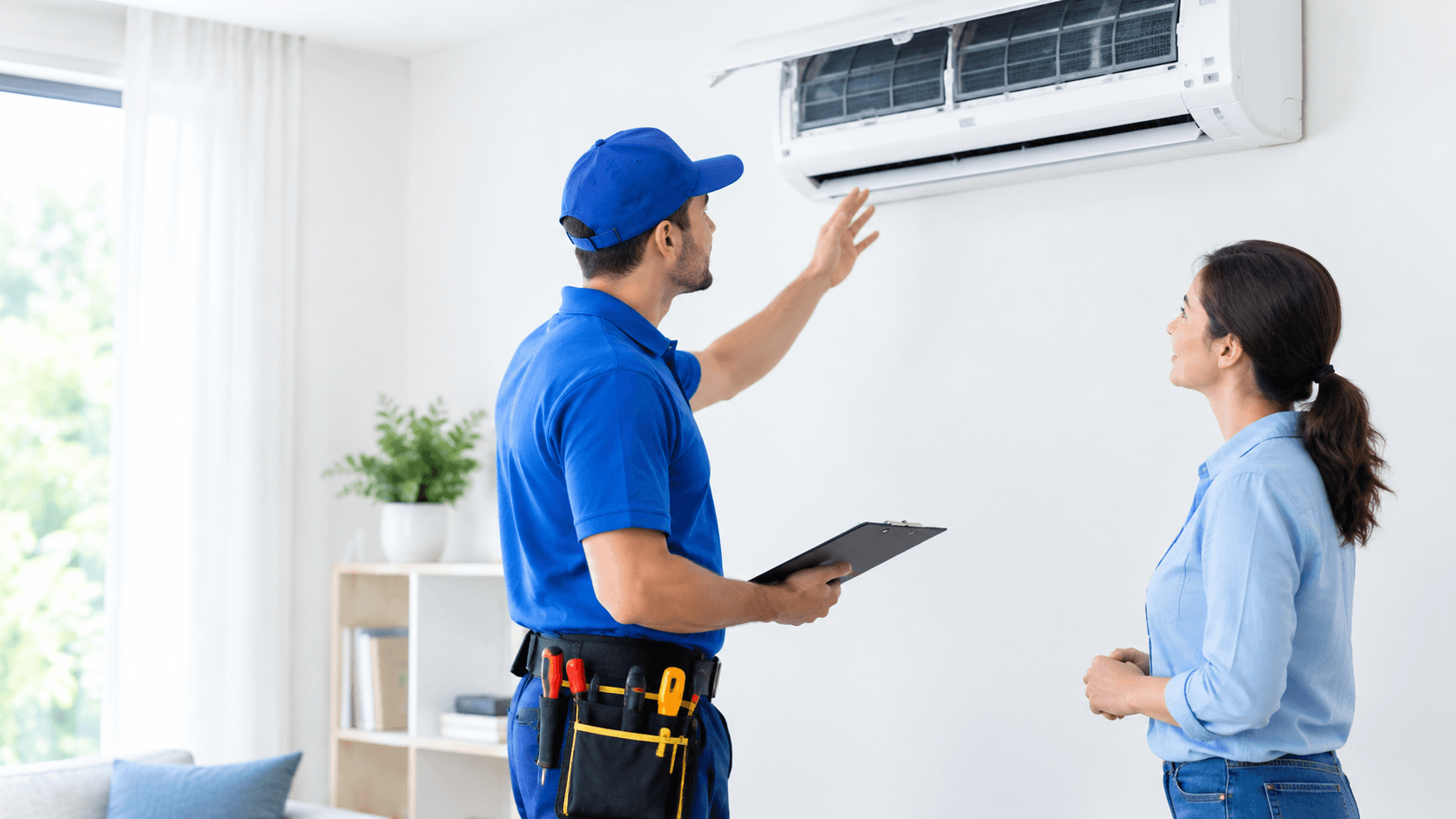
A useful repair assessment should explain the problem, identify the likely cause, and clarify the available next steps.
The exact diagnostic process depends on the system and symptoms.
Step 1: Review the Reported Problem
An initial assessment begins with understanding what the homeowner has experienced.
Useful information includes:
- When the problem started.
- Whether the system stopped suddenly or gradually lost cooling performance.
- Any unusual noises or odors.
- Thermostat settings.
- Visible water leaks or ice accumulation.
- Error messages or repeated shutdowns.
- Previous repairs or maintenance.
These details help narrow the possible causes.
Step 2: Inspect Relevant System Components
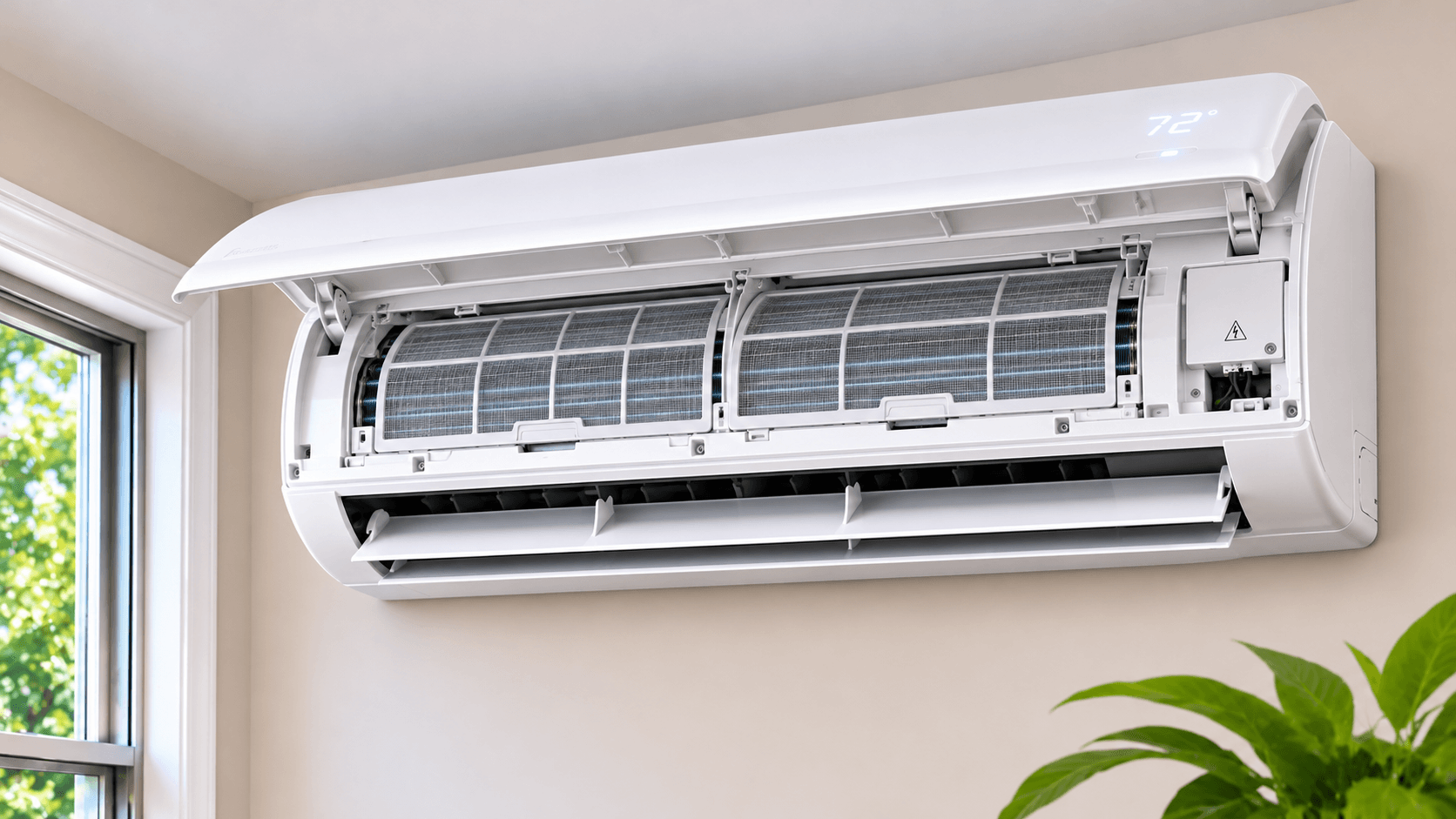
Depending on the symptoms, a qualified technician may inspect accessible electrical components, airflow, controls, cooling coils, condensate drainage, and outdoor equipment.
Some problems can be identified through visual inspection, while others require appropriate diagnostic instruments.
Electrical and refrigerant work should be performed only by suitably qualified personnel.
Step 3: Identify the Cause
Effective repair requires distinguishing symptoms from underlying faults.
For example, a frozen evaporator coil may result from an airflow restriction or a refrigerant problem.
Replacing a component or adding refrigerant without identifying the underlying issue may not resolve the fault.
Step 4: Explain Repair Options
Before authorizing work, homeowners should understand the diagnosis, proposed repair, likely costs, and any limitations.
If equipment is older or requires expensive parts, it may be worth comparing the repair cost with potential replacement options.
Step 5: Verify Operation After Repair
Once a repair has been completed, the relevant system functions should be checked according to equipment and manufacturer requirements.
Testing helps determine whether the original fault has been addressed and whether the equipment is operating as expected.
How Much Does AC Repair Cost in Newton, MA?
Air conditioning repair costs vary depending on the problem, equipment, replacement parts, and work required.
A simple control adjustment or minor component repair will not have the same cost as diagnosing and replacing a major failed component.
Factors That Affect AC Repair Costs
Type of problem: Electrical faults, drainage issues, refrigerant leaks, and mechanical failures involve different diagnostic and repair procedures.
Replacement parts: Availability and price can vary by equipment manufacturer, model, and age.
Equipment accessibility: Difficult-to-reach components may require additional labor.
System age: Older equipment may have worn components or parts that are harder to obtain.
Diagnostic requirements: Some faults are straightforward to identify, while intermittent problems may require additional testing.
Service scheduling: Confirm whether standard diagnostic fees, special scheduling charges, or additional labor costs apply.
Questions to Ask Before Approving a Repair
Before authorizing work, ask:
- Is there a diagnostic or inspection fee?
- What caused the problem?
- Which components need repair or replacement?
- What is included in the quoted price?
- Are replacement parts available?
- Does the repair carry any applicable warranty?
- Is replacement worth considering?
A clear explanation helps you make a decision based on the condition of your equipment rather than guesswork.
Concerned about the cost of repairing your air conditioner? Request an assessment and ask for a clear explanation of the proposed work.
Should You Repair or Replace Your Air Conditioner?
Not every air conditioning problem means you need a new system.
In many cases, repairing a specific component can restore the equipment's operation.
However, there are situations where replacement deserves consideration.
When Repair May Be the Better Option
Repair may be practical when:
- The equipment is relatively new.
- The problem involves a repairable component.
- Replacement parts are available.
- The system has generally performed reliably.
- Repair costs are reasonable compared with replacement.
- The equipment remains appropriate for the home's cooling needs.
For example, an otherwise reliable system with a failed control component may not require complete replacement.
When Replacement May Be Worth Considering
Replacement may be more practical when:
- The air conditioner is approaching the end of its expected service life.
- Repairs have become frequent.
- Major components are failing.
- The system is significantly inefficient.
- The equipment is poorly sized for the property.
- Required parts are unavailable or prohibitively expensive.
Age alone should not determine the decision.
A careful comparison should consider repair cost, system condition, equipment efficiency, and the homeowner's longer-term plans.
For homes without suitable ductwork or properties considering different comfort options, ductless mini-split systems in Newton, MA may be worth exploring.
Central Air Conditioning Repair for Newton Homes
Central air conditioning systems rely on several connected components to deliver cool air throughout a property.
A typical split-system central air conditioner includes an outdoor condenser, indoor cooling coil, blower, thermostat, and ductwork.
Problems affecting any of these components may reduce cooling performance.
Outdoor Condenser Problems
Outdoor units are exposed to changing weather conditions, leaves, dirt, and other debris.
Restricted airflow, damaged fan components, or electrical faults can interfere with the system's ability to release heat.
Keep the area around outdoor equipment clear in accordance with the manufacturer's instructions.
Do not remove equipment panels or attempt electrical repairs without appropriate qualifications.
Indoor Cooling and Airflow Problems
Indoor cooling problems may involve dirty filters, frozen evaporator coils, blower faults, or blocked airflow.
In older homes, duct leakage or modifications to existing ductwork may also contribute to uneven temperatures.
The repair approach should address the actual fault rather than simply increasing thermostat demand.
Thermostat and Control Problems
A thermostat or control fault can prevent the equipment from starting, cause inconsistent cycling, or produce unexpected operating behavior.
Checking controls is an important part of troubleshooting when the system is not responding correctly.
Safe AC Troubleshooting Before Calling for Repair
Some simple checks can help homeowners determine whether a problem requires a service appointment.
Check the Thermostat
Confirm that the thermostat is switched to cooling mode and set below the current indoor temperature.
If it uses replaceable batteries, follow the manufacturer's guidance for checking them.
Inspect the Air Filter
A dirty air filter can restrict airflow and reduce cooling performance.
Check the filter only if it is safely accessible and follow your equipment manufacturer's cleaning or replacement instructions.
Do not operate equipment with required filters removed.
Check for Blocked Vents
Make sure furniture, rugs, or other objects are not obstructing accessible supply and return vents.
Blocked airflow can affect comfort and equipment operation.
Look for Outdoor Obstructions
From a safe distance, check whether leaves or debris are blocking airflow around the outdoor condenser.
Avoid opening equipment panels or touching electrical components.
Know When to Stop Troubleshooting
Turn off the system when safe to do so and seek qualified assistance if you notice:
- A burning smell or smoke.
- Repeated breaker trips.
- Severe grinding or electrical buzzing.
- Significant water exposure near electrical equipment.
- Persistent coil freezing.
- Damaged wiring or signs of overheating.
If there is smoke, fire, or immediate danger, leave the area and contact emergency services.
The U.S. Department of Energy and ENERGY STAR both emphasize the importance of proper airflow, clean filters, coil maintenance, and professional assessment of more complex air conditioning problems.
For further guidance, see the ENERGY STAR heating and cooling maintenance checklist.
How Regular AC Maintenance Helps Reduce Repair Problems
Some cooling system faults develop gradually.
Dirty filters, restricted airflow, blocked drainage, and accumulated debris can affect system performance before the equipment stops operating.
Regular maintenance provides an opportunity to identify these concerns and address them appropriately.
Routine maintenance may include:
- Inspecting and cleaning filters.
- Checking cooling coils.
- Reviewing condensate drainage.
- Inspecting accessible electrical components.
- Evaluating system airflow.
- Checking controls and operating performance.
Maintenance cannot prevent every breakdown, but it can help reduce certain avoidable problems.
For homeowners who want to prepare their equipment before warmer weather, learn more about professional AC maintenance in Newton, MA.
AC Repair Considerations for Homes in Newton, Massachusetts
Newton has a mix of older residences, renovated houses, and newer properties with different cooling configurations.
Some homes use traditional central air conditioning, while others have ductless systems or individual room units.
The construction and layout of a property can influence how cooling problems appear.
Newton Centre and Newton Highlands
In established residential areas, older ductwork, renovation history, and varied room layouts can contribute to uneven cooling.
A proper assessment should distinguish equipment faults from distribution or insulation problems.
Newtonville and West Newton
Homes with additions or converted living spaces may experience cooling differences between older and newer sections of the property.
Determining whether the problem involves system performance, airflow, or equipment capacity is important before recommending major changes.
Newton Corner and Other Newton Neighborhoods
Cooling problems can occur in homes of any age.
Equipment condition, maintenance history, installation quality, and household usage often matter more than a property's neighborhood.
Newton Air Conditioning Specialists can be contacted to discuss air conditioning repair enquiries and confirm service availability for your location.
Why Contact Newton Air Conditioning Specialists for AC Repair?
When your cooling system is not working properly, you need clear information about the problem and possible solutions.
Newton Air Conditioning Specialists provides homeowners with a way to enquire about air conditioning repair needs in Newton, Massachusetts.
Before arranging service, it is reasonable to ask about equipment coverage, appointment availability, diagnostic charges, contractor qualifications, and how recommended repairs are priced.
When you contact the company, explain your system type and the symptoms you have noticed.
Useful information includes the equipment's approximate age, whether it has stopped cooling completely, and whether the issue developed suddenly or gradually.
Need air conditioning repair in Newton, MA? Contact Newton Air Conditioning Specialists to discuss your cooling problem and request service.
Frequently Asked Questions About AC Repair in Newton, MA
Why is my air conditioner running but not cooling?
Possible causes include dirty air filters, restricted airflow, frozen coils, refrigerant leaks, thermostat faults, or failed cooling components. A proper diagnosis is needed to identify the cause.
How much does AC repair cost in Newton, MA?
Repair costs depend on the fault, required parts, equipment condition, and labor involved. Ask whether diagnostic fees are separate from the repair quote before scheduling.
Can I keep using my AC if it is blowing warm air?
First check the thermostat settings. If the equipment continues running without cooling properly, avoid prolonged operation and arrange an assessment. Turn it off promptly if there are signs of electrical damage, overheating, or other safety concerns.
Why does my AC keep turning on and off?
Frequent cycling can result from thermostat problems, airflow restrictions, electrical faults, or equipment sizing issues. A diagnostic inspection can help identify the underlying cause.
What causes an AC unit to freeze?
Frozen coils may be caused by restricted airflow, dirty filters, blower problems, or refrigerant issues. Switch off cooling and arrange an inspection if freezing persists or returns.
Is it better to repair or replace an old air conditioner?
It depends on equipment age, repair costs, energy efficiency, parts availability, and the frequency of previous problems. Replacement may be worth considering when repairs become expensive or recurring.
How long does an AC repair take?
Repair time depends on the fault, diagnostic complexity, accessibility, and replacement-parts availability. Ask for a realistic estimate after the problem has been identified.
Does AC maintenance prevent expensive repairs?
Regular maintenance can identify certain developing problems and improve operating conditions, but it cannot guarantee that breakdowns will never occur.
Can a refrigerant leak be repaired?
Some refrigerant leaks can be located and repaired, depending on the condition and design of the equipment. Refrigerant handling requires appropriate certification and should not be attempted by homeowners.
What should I do if my AC stops working during hot weather?
Check safe, accessible settings such as the thermostat and filter, then arrange professional assistance if the system remains inoperative. If indoor temperatures become unsafe, seek a cooler location, particularly for vulnerable household members.
Request AC Repair in Newton, MA
An air conditioner that isn't cooling properly can quickly disrupt your comfort, especially during warm Massachusetts weather.
Whether your system is making unusual noises, delivering weak airflow, leaking water, or refusing to start, understanding the cause is the first step toward resolving the problem.
Newton Air Conditioning Specialists can be contacted to discuss your repair needs and provide information about service availability.
When enquiring, include:
- Your Newton neighborhood or ZIP code.
- The type of air conditioning system you have.
- The problem you're experiencing.
- When the symptoms began.
- Any visible leaks, noises, or error messages.
Providing these details can help make the initial enquiry more useful.
Get help with your cooling problem.
Contact Newton Air Conditioning Specialists to Request AC Repair in Newton, MA.